Introduction
In the fast-paced world of customer service, call centers play a pivotal role in ensuring that businesses meet their clients' needs efficiently and effectively. With the advent of technology, the landscape of communication has evolved, making traditional phone systems obsolete. Today, businesses are turning to sophisticated Business Phone Systems designed specifically for call centers. This article explores the 5 Must-Have Business Phone System Features for Call Centers, highlighting how these features can enhance productivity, streamline operations, and ultimately improve customer satisfaction.
Why Are Business Phone Systems Essential for Call Centers?
When it comes to handling customer inquiries and support requests, an efficient phone system is critical.
The Importance of Communication in Customer Service
Effective communication is at the heart of excellent customer service. In a call center environment, agents need reliable tools to manage calls seamlessly. A well-designed Business Phone System ensures that agents can connect with customers swiftly and address their needs promptly.
Enhancing Operational Efficiency
An advanced phone system not only improves call management but also aids in tracking performance metrics. With features like call recording and analytics, managers can identify areas for improvement and implement necessary changes to boost overall productivity.
Cost-Effectiveness
Investing in a robust phone system might seem daunting initially; however, it can lead to significant cost savings over time. By reducing operational costs and increasing efficiency, organizations can allocate resources more effectively.
5 Must-Have Business Phone System Features for Call Centers
Let’s dive into the essential features that every call center should consider when choosing a Business Phone System.
1. Automatic Call Distribution (ACD)
What is Automatic Call Distribution?
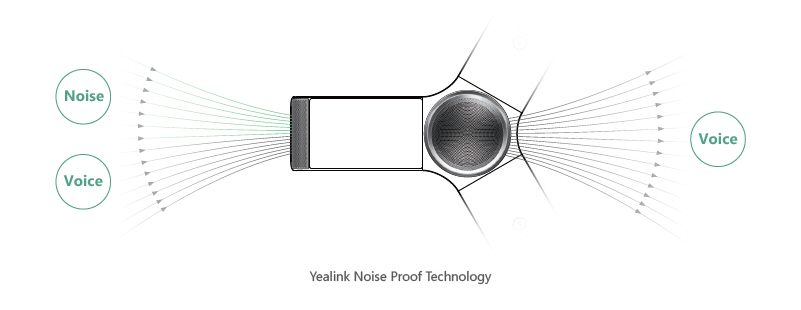
Automatic Call Distribution (ACD) is an essential feature that intelligently routes incoming calls to the most appropriate agent based on predefined criteria such as skill set or availability.
Why ACD Matters
- Improved Response Time: By directing calls to the right agent immediately, ACD minimizes wait times. Enhanced Customer Satisfaction: Customers appreciate quick resolutions to their inquiries.
Benefits of ACD:
| Benefit | Description | |---------------------------|-----------------------------------------------------| | Improved Efficiency | Reduces idle time by connecting callers quickly | | Better Resource Utilization| Ensures agents are utilized according to their skills| | Increased First Call Resolution | Enhances customer experience by resolving issues on the first contact |
2. Interactive Voice Response (IVR)
What is IVR?
Interactive Voice Response (IVR) allows callers to interact with a computerized system before reaching an agent. It provides menu options through voice commands or keypad inputs.
Advantages of IVR
- 24/7 Availability: Customers can access information outside business hours. Reduced Agent Workload: Simple inquiries can be resolved without needing human intervention.
Key Features of IVR:
| Feature | Description | |------------------------|---------------------------------------------------| | Self-Service Options | Enables customers to resolve issues independently | | Personalization | Offers tailored options based on caller history | | Multi-Language Support | Ensures accessibility for diverse clientele |
3. Call Recording and Monitoring
The Role of Call Recording
Recording calls allows managers to review interactions between agents and customers for quality assurance and training purposes.
Benefits of Call Recording
- Quality Control: Managers can evaluate agent performance and provide constructive feedback. Training Tool: New agents can learn from real-life examples of successful interactions.
How Call Recording Helps:
| Aspect | Impact | |---------------------------------|---------------------------------------------| | Performance Improvement | Identifies training gaps | | Compliance Verification | Ensures adherence to regulations | | Customer Experience Enhancement | Provides insights into common issues |
4. Real-Time Analytics & Reporting
Understanding Real-Time Analytics
Real-time analytics deliver instant data insights related to call volume, agent performance, and more.
Significance of Analytics in Decision Making
- Data-Driven Decisions: Managers can make informed choices based on live data. Performance Tracking: Measure KPIs effectively for continuous improvement.
Types of Reports Available:
| Report Type | Purpose | |----------------------------|---------------------------------------------| | Agent Performance | Tracks individual metrics | | Call Volume Trends | Analyzes peak hours | | Customer Feedback | Gathers insights on service satisfaction |
5. Unified Communications Integration
What is Unified Communications?
Unified Communications (UC) integrates various communication methods—voice calls, video conferencing, messaging—into one cohesive system.
The Need for UC in Modern Call Centers
- Streamlined Communication: Facilitates easy transitions between different communication forms. Collaboration Tools: Enhances teamwork among agents through shared platforms.
Benefits of Unified Communications:
| Benefit | Description | |---------------------------|---------------------------------------------------| | Increased Collaboration | Teams work together seamlessly | | Accessibility | Access all communication channels from one platform|
FAQs About Business Phone Systems for Call Centers
1. What features should I look for in a business phone system?
When selecting a business phone system for your call SoundCurve - Business Phone Systems Business Phone System Oregon center, prioritize features like Automatic Call Distribution (ACD), Interactive Voice Response (IVR), call recording capabilities, real-time analytics, and Unified Communications integration.
2. How does IVR improve customer experience?
IVR enhances customer experience by allowing callers to self-service their needs quickly without waiting in line to speak with an agent.
3. Can I integrate my existing tools with a new business phone system?
Most modern business phone systems offer integration capabilities with existing CRM systems and other tools you may already use within your organization.
4. Is cloud-based better than on-premises solutions?
Cloud-based systems often offer more flexibility regarding scalability and remote access while typically requiring lower upfront investments compared to on-premises solutions.
5. How does call recording benefit my team?
Call recording benefits teams by providing valuable training material and enabling managers to assess performance accurately while ensuring compliance with regulations.
6. Will implementing these features be expensive?
While there may be initial costs associated with implementing advanced features like ACD or UC integration, they usually result in long-term savings through improved efficiency and reduced operational costs.

Conclusion
In conclusion, investing in a robust Business Phone System equipped with these five must-have features—Automatic Call Distribution (ACD), Interactive Voice Response (IVR), call recording capabilities, real-time analytics & reporting, and Unified Communications integration—can profoundly impact your call center's efficiency and effectiveness. As technology continues evolving, staying ahead by leveraging these advanced capabilities will ensure your organization remains competitive in delivering exceptional customer service experiences.
By focusing on these essential elements within your business phone system strategy, you'll not only enhance your team's productivity but also foster stronger relationships with your customers—a win-win situation indeed!